
Implant-Supported Dentures vs. Traditional Dentures in Farmington, MO: What Feels Different Once You’re Wearing Them?
March 31, 2026 9:00 amMost people don’t come in asking for implant-supported dentures. It’s usually something more specific that brings it up. Dentures that don’t feel as secure as they used to. Trouble chewing certain foods. Or just the sense that you’re always a little aware of them, even when you’re not thinking about it directly. From there, we start looking at what could be improved and what would actually change that experience.
At Karsch Family Dental in Farmington, MO, that usually means comparing how each option behaves once you’re using it every day, not just how it’s described.
Implant-Supported Dentures vs. Traditional Dentures: What’s Different
Traditional dentures sit directly on the gums. They’re shaped to fit your mouth, and when that fit is good, they can work well—especially early on. They still rely on soft tissue for support, though, so a small amount of movement is part of the design.
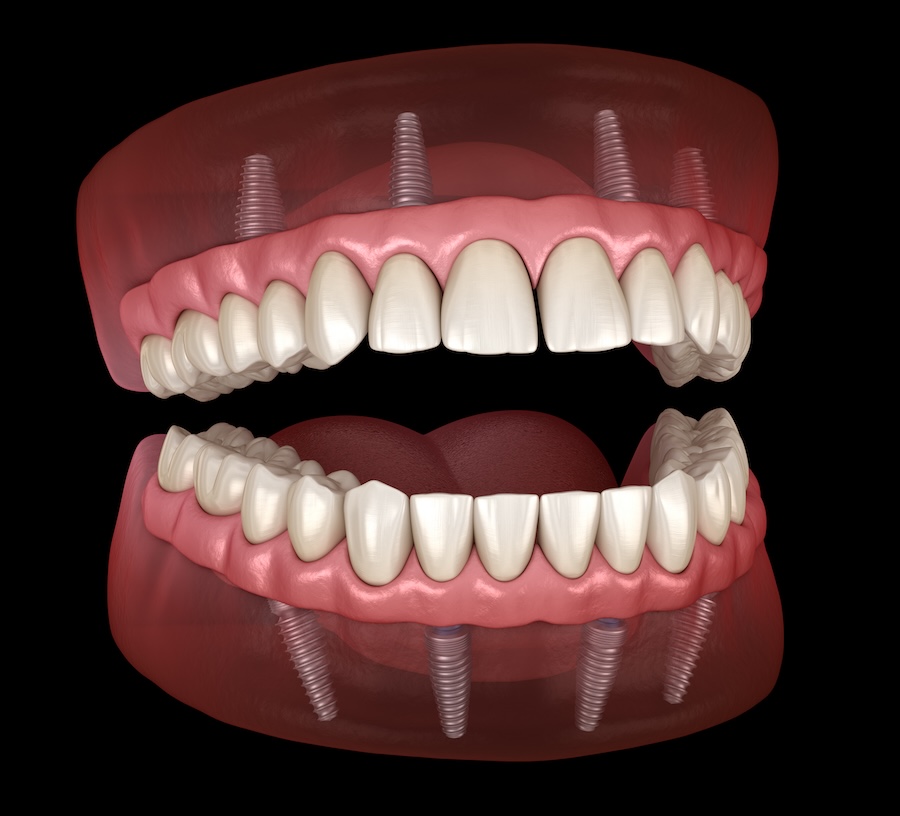
Implant-supported dentures connect to implants placed in the jaw. Instead of resting on the gums alone, they attach to something fixed. That changes how they respond when there’s pressure, like when you’re eating or speaking.
This is something we usually walk through during a restorative dentistry consultation, especially if you’re trying to decide whether to improve what you have or start fresh.
How They Feel in Daily Use
With traditional dentures, there’s often a period of adjustment. You figure out how to chew with them, how to position food, and how to speak comfortably. Many patients adapt well, but even then, there can be small movements that you end up working around without thinking about it.
As time goes on, the fit can change. Gums and bone shift gradually, and the denture may start to feel a little looser than it did at the beginning. That’s when relines or adjustments come into play to improve the fit again.
Implant-supported dentures feel more consistent from one day to the next. Because they’re anchored, they don’t depend on that same gum fit to stay in place. Patients usually notice they’re not making those small adjustments throughout the day.
Eating with Each Option
Food is usually where the difference becomes easier to notice.
With traditional dentures, eating often involves some compromise. You may cut food smaller, chew more carefully, or avoid certain textures altogether. Adhesives can help with stability, but they don’t completely eliminate movement.
With implant-supported dentures, chewing tends to feel more even. There’s less shifting when pressure is applied, so you’re not having to adjust your bite as much. That can make a difference in what you’re comfortable eating.
Cost and What Goes Into It
The difference in cost usually comes down to how much treatment is involved at the beginning.
Traditional dentures are more straightforward. There’s no surgery, and the process is shorter, which keeps the upfront cost lower. For many patients, that makes them a practical starting point.
Implant-supported dentures require placing implants first, which adds time and cost. It’s a larger upfront step, but it can reduce how often the denture needs to be adjusted or remade later.
During a comprehensive dental exam, we can look at your specific situation and talk through what each option would realistically involve.
What Changes Over Time
With traditional dentures, the fit doesn’t stay exactly the same over the years. The bone under the denture gradually shrinks, which changes how the denture sits. That’s why relines and replacements become part of long-term care.
Implants help stabilize that process. Because they’re integrated into the bone, they help maintain it in a way that dentures alone can’t. Over time, that usually means fewer changes in fit and fewer adjustments.
Maintenance and Upkeep
Both options require regular care, just with slightly different routines.
Traditional dentures are removed daily, cleaned, and usually taken out at night. As the fit changes, they may need adjustments to stay comfortable.
Implant-supported dentures may be removable or fixed depending on the design. Either way, keeping the area around the implants clean is important. Staying consistent with cleanings and exams allows us to monitor the gums and bone and address any issues early.
We go over the details based on your setup so it fits into your routine without adding unnecessary steps.
How People Usually Decide
For some patients, keeping things simple is the priority, and traditional dentures make sense.
Others are more focused on stability—especially if they’ve already experienced movement or frustration—and are open to the additional steps involved with implants.
Most of the time, it comes down to what you’re willing to deal with on a daily basis. That tends to clarify things more than any comparison list.
Implant-Supported Dentures in Farmington, MO at Karsch Family Dental
At Karsch Family Dental in Farmington, MO, Dr. Hallie Casteel works with patients to sort through these options in a way that feels clear and practical. The focus is on how each option will function once you’re using it every day.
If your dentures don’t feel as stable as you’d like, or you’re planning ahead and want to explore your options, you can schedule a visit to talk through what might make the most sense for you.
About UsCategorised in: Dental Implants, Dentures, Implant-Supported Dentures